In conversation with Gulfaraz Rahman
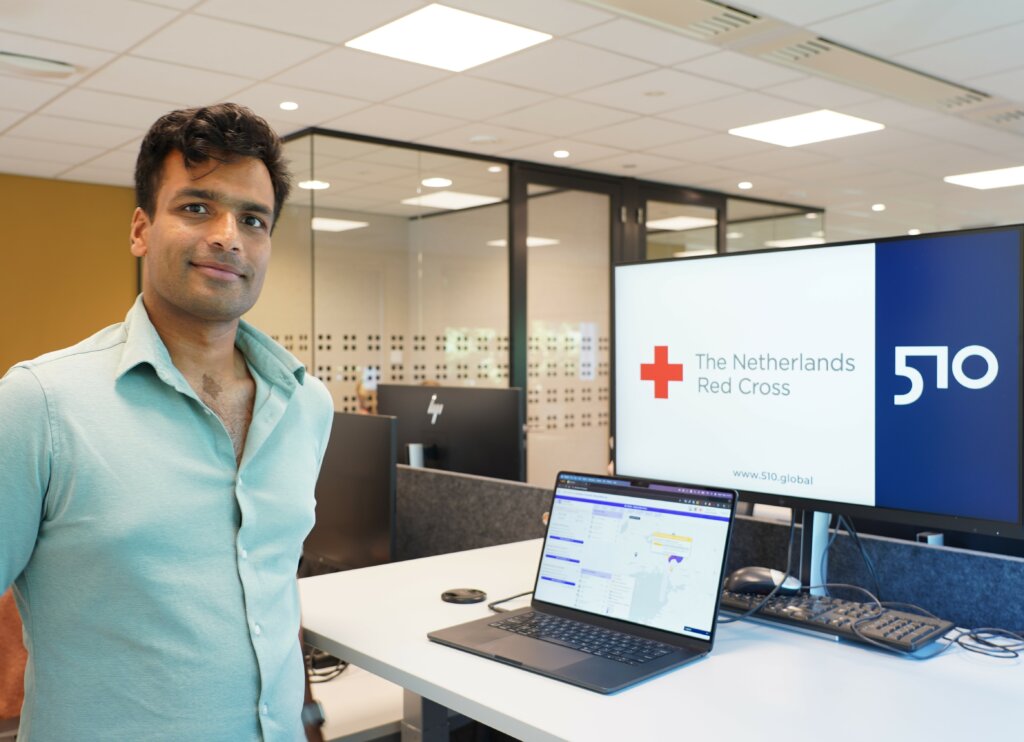
في فريق البيانات والرقمية بالصليب الأحمر الهولندي، 510، نؤمن بأن وراء كل ابتكار شخصٌ يجعل بمهاراته ورؤيته العمل الإنساني أسرع وأذكى وأكثر شمولاً. بشر 510 تسلط هذه السلسلة الضوء على هؤلاء الأفراد: الرحلات التي أوصلتهم إلى هنا، والمشاريع التي يفخرون بها، والتأثير الواقعي لأعمالهم. في هذه النسخة، نلتقي Gulfaraz Rahman, one of our software developers who turned a curiosity about tiny logos in browsers into a career of building impactful humanitarian tech.
هل يمكنك أن تخبرنا عن خلفيتك وكيف قادتك إلى 510؟
At my first job as a software engineer, I noticed a huge gap between what they teach you in school and the actual work. I narrowed it down to a question: in Facebook (remember when that was a thing?), how does that tiny logo appear on your browser? One question led to another, and eventually I learned to build a web app. Then AI happened, and I tried understanding it the same way. That’s when I went back to university for a Master’s degree in AI. After eight years of working, going back to being a student was a big shift, and after graduating, I faced the same challenge: how does what you learn apply in real life? I started attending hackathons, including the Hackathon for Good in The Hague. Someone from 510 hosted a challenge there, which I solved. That led to a volunteer position, which introduced me to 510 where I now get to do the nerdy stuff I love.
ما هو مشروع أو منتج أو خدمة واحدة من 510 تفتخر بها بشكل خاص ولماذا؟
It’s like picking a favourite child! I’ve worked on the Impact-Based Forecasting (الاتحاد الدولي للملاكمة) Portal, the Helpful Information web-App (HIA), and the Automated Damage Assessment (أيه دي أيه). Each solves a unique problem and impacts lives differently. The IBF Portal is an early warning system used by National Societies to release funds for anticipatory action. HIA started as a bulletin board for undocumented migrants in the Netherlands. Within a month after I built the first version, hundreds of users were on it. It’s now used in other contexts, like Ukraine. Finally, ADA detects damage to buildings, like schools and hospitals, using satellite imagery. ADA was the AI model I built as a result of that first hackathon, so I’m a little biased toward it being my favourite.
ما هي التحديات التي تواجهها عند العمل مع البيانات الإنسانية؟
First, sometimes there are conflicts within datasets. I have to make educated estimates based on what’s available and when it was last updated. Sometimes there’s no information, or worse, wrong information. Second, access to data can be unreasonably difficult. It takes paperwork and trust-building to get what we need from organisations, and sometimes we get data way too late when timing is so important. Third – and this is the hardest – is that our data can have a delicate impact. Real people can be affected by my decisions. If I make a mistake, there are real consequences. But I’ve come to believe that not taking action usually leads to worse outcomes, and luckily, we have systems in place to reduce that risk.
في إحدى المرات، كنت أعمل على نظام للمساعدة في تشخيص الأمراض النادرة. بعد نشر النظام، تلقيت رسالة من طبيب ذكر فيها أن النظام ساعده في تشخيص حالة نادرة لطفل كان يعاني منذ سنوات، ولم يتمكن الأطباء الآخرون من تحديد مرضه. شعرت حينها بسعادة غامرة لرؤية كيف يمكن لعملي أن يساهم بشكل إيجابي في حياة الأشخاص.
As a developer, I don’t interact with end users much. But I can see demand based on user numbers, which validates that what I built is useful. In terms of real-life impact, ADA was used to scan the damage after the Beirut explosion in 2020. It ended up being one of the earliest damage reports the humanitarian sector received. That was a full-circle moment after developing the model years prior. In another example, I recently spoke with staff at the Ethiopian Red Cross Society. They mentioned that 9,000 mosquito nets were distributed after we alerted them about a malaria outbreak via IBF. That detail stuck with me: if I hadn’t built the map that alerted the National Society, those nets might not have been distributed. Who knows how many lives that saved?
ما الذي يدفعك للاستمرار في هذا العمل حتى عندما يكون صعبًا؟
The work is meaningful. With an AI background, I could predict supermarket stock or train crowding. But here, a simple web app can make a lasting impact in people’s lives. And when it gets difficult, I lift my head and look around. I’m not alone. Our team is blessed with lovely humans. We’re all motivated people working towards a shared vision. We take care of each other and keep moving forward.
تنصل: يرجى ملاحظة أن النسخ العربية والفرنسية والإسبانية من هذه المقالة تم إنشاؤها تلقائيًا باستخدام الذكاء الاصطناعي. لا يمكننا ضمان الدقة الكاملة لهذه النسخ.
نريد أن نسمع منك!
Are you interested in implementing a similar solution with your National Society or humanitarian organization? Please reach out to:
Product Manager, IBF Portal and ADA: بليز سيلفان bselvan@redcross.nl
Product Manager, HIA: جوناث ليفتوغت jlijftogt@redcross.nl