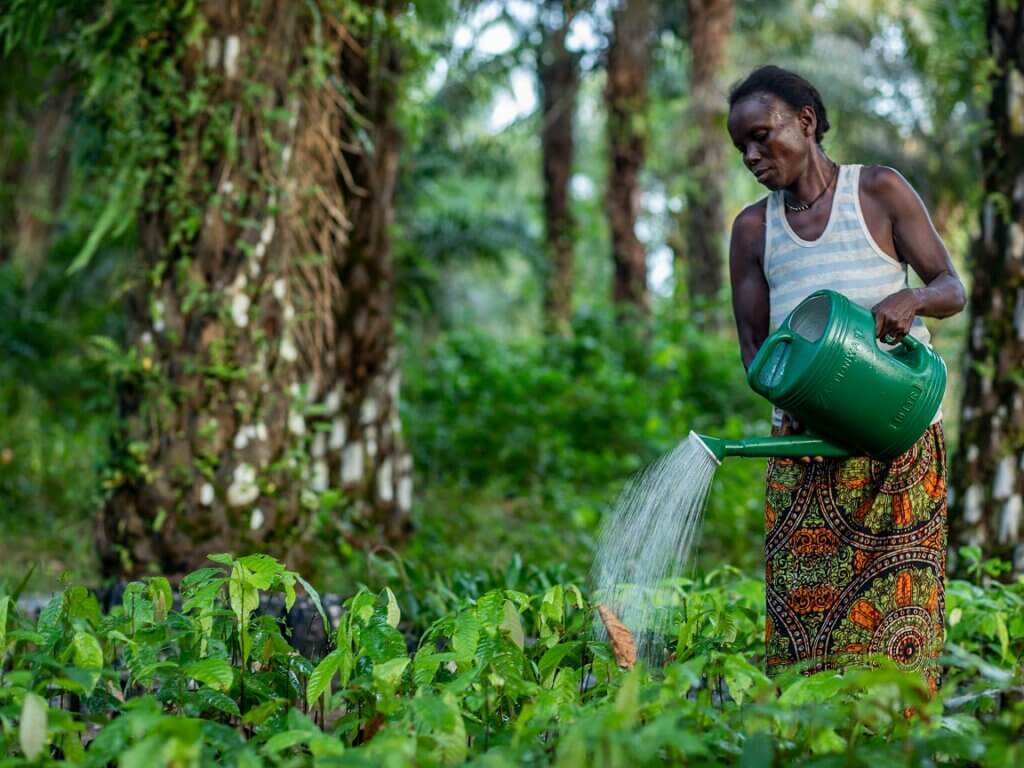
- Seeing Stress Early: How Communities in Sierra Leone Manage Climate RiskAcross Sierra Leone, communities restore degraded land to stay ahead of climate impacts. Led by the Sierra Leone Red Cross Society, the Tree Planting and Care programme spans 62 communities and has already supported the planting of more than three million trees.… Lire la suite : Seeing Stress Early: How Communities in Sierra Leone Manage Climate Risk
-
Volontaires de 2022 : un grand merci !
As the year comes to a close, we want to take this opportunity to express our gratitude to the 510 volunteers who helped us throughout 2022 by working tirelessly and passionately. The work… En savoir plus…
-
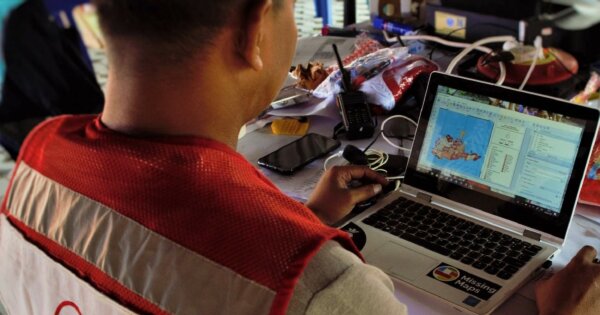
Cours d'introduction aux données et à la littératie numérique en ligne gratuit
The Data and Digital Literacy Introduction Course is now online! The e-learning course is intended for anyone interested in learning about data, information, digital technologies, and their responsible use within the context of… En savoir plus…
-
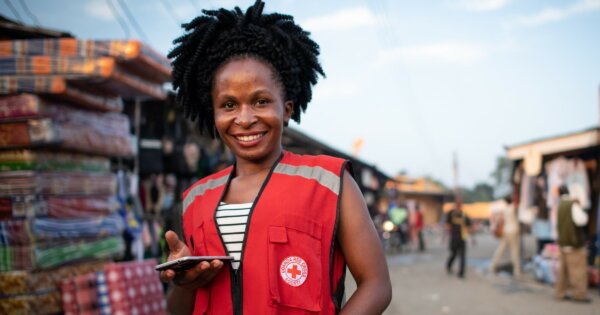
Le cadre de maturité numérique : Établir un vocabulaire collectif pour la transformation numérique
With 192 Red Cross and Red Crescent National Societies (NSs), the International Federation of the Red Cross Red Crescent (IFRC) presents an enormous wealth of data and digital capabilities in a plurality of… En savoir plus…
-
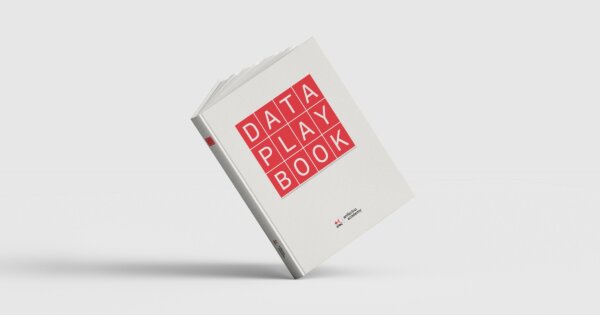
Les données sont un sport d'équipe avec le Playbook des données de la FICR
The Data Playbook is ready! Together with the help of 100s of Red Cross Red Crescent staff, volunteers and partners, the Data Playbook launches its first version. The Data Playbook is 120 exercises,… En savoir plus…
-
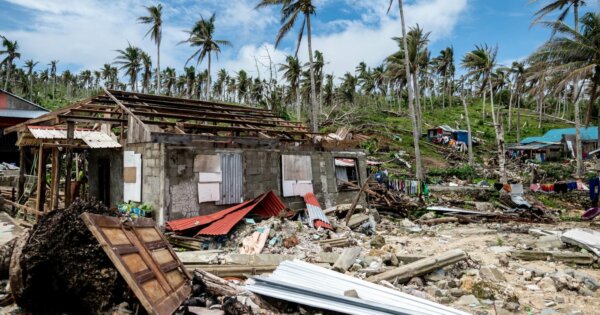
Soutien aux données d'urgence : Typhon Rai (Odette)
Typhoon Rai, locally named Odette, hit the Philippines on 16 December 2021, ravaging islands and coastal communities in the east and flooding towns and cities across the country. Philippine Red Cross emergency teams… En savoir plus…
-
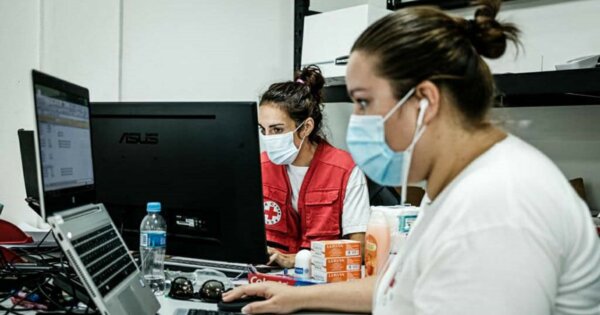
Données et responsabilité numérique : Aller au-delà de la protection de la vie privée
Data and digital technology offer tremendous potential to improve the speed, quality and cost effectiveness of humanitarian aid. These can also cause harm however, even in unforeseen ways. The Data & Digital Responsibility… En savoir plus…